admin
19-11-2026
Panchakarma Treatment in Delhi: Delhi’s pollution, long work hours, irregular meals and constant screen time leave many people tired, stressed and dealing with lifestyle-related health problems. Many are turning to Ayurveda’s detox and cleansing therapy, Panchakarma, to reset the body. This guide explains what it is, how it works, who it may help, and what to look for in a centre in Delhi.
What Is Panchakarma?
“Panchakarma” comes from Sanskrit: pancha means five and karma means action or procedure. It is Ayurveda’s main purification therapy, designed to remove accumulated toxins (ama) and restore balance among the three doshas: Vata, Pitta and Kapha. It sits at the heart of Ayurvedic treatment in Delhi and is often combined with naturopathy treatment for a more complete approach.
Ayurveda holds that undigested food, poor routines and stress build up toxins over time. Panchakarma aims to clear them out rather than only manage symptoms.
The Five Therapies of Panchakarma
- Vamana (therapeutic emesis): Controlled, supervised induced vomiting, traditionally used to clear excess Kapha.
- Virechana (purgation therapy): A herbal, supervised purgation that cleanses the digestive tract and liver, traditionally used for Pitta imbalances. It is often discussed alongside digestive care.
- Basti (medicated enema): Herbal oils or decoctions given as enemas, considered in Ayurveda the primary treatment for Vata disorders such as joint and nerve complaints, including knee pain and back pain.
- Nasya (nasal therapy): Medicated oils or powders administered through the nose to cleanse the head and neck region.
- Raktamokshana (blood purification): A traditional therapy used in selected cases, including leech therapy.
SPPC Patanjali Wellness Center also offers Shirodhara, where warm oil is poured in a steady stream over the forehead, widely used for stress relief (see relaxation therapy).
The Three Stages of a Panchakarma Programme
1. Purvakarma (preparation). The body is prepared with:
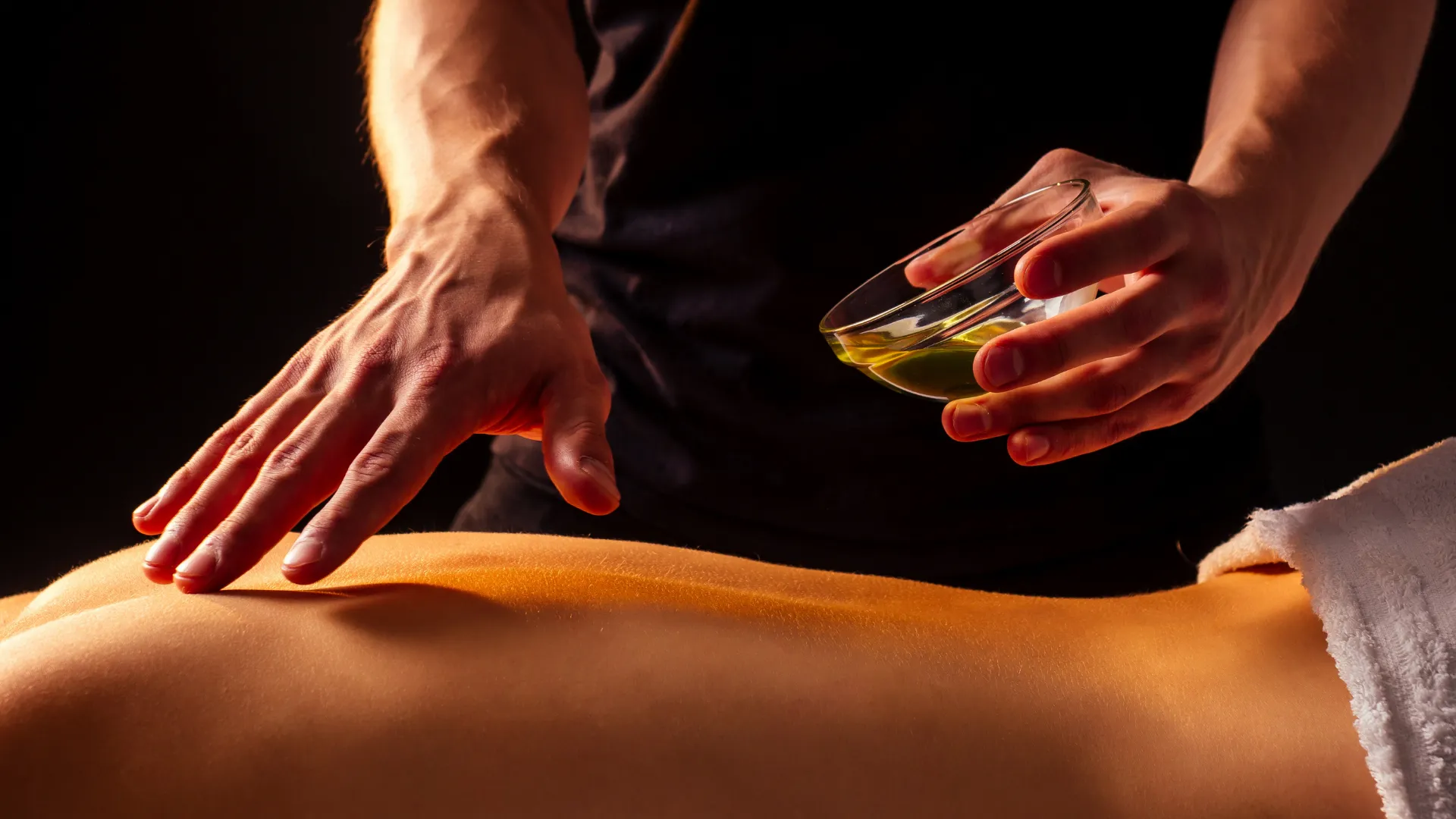
- Snehana: internal and external oil therapy, often including Ayurvedic massage
- Swedana: herbal steam or sweating therapy, with options such as ozone steam sauna bath therapy
2. Pradhanakarma (main therapy). The therapies chosen for your constitution and condition are carried out under physician supervision.
3. Paschatkarma (post-therapy care). This stage is often overlooked but important. It includes a graded diet, lifestyle guidance and rest. SPPC’s diet and nutrition service and yoga classes support recovery and help you keep the benefits.
Potential Benefits of Panchakarma
Under Ayurvedic principles, Panchakarma is traditionally used to:
- Support digestion and metabolism
- Reduce stress, fatigue and mental heaviness (see meditation therapy)
- Support the management of joint pain, back pain and stiffness
- Support skin health
- Improve sleep and general vitality (see rejuvenation therapy)
- Help with weight management when combined with diet and lifestyle changes
Results vary from person to person. Panchakarma works best as part of a larger lifestyle change, not as a one-time fix. It is a complementary approach, so anyone with a chronic condition such as diabetes should keep their regular medical care and consult their doctor.
Who Should Consider Panchakarma?
It may suit people who:
- Want a natural, supportive approach to chronic lifestyle-related concerns
- Feel constantly tired, stressed or low on energy
- Have digestive problems such as bloating, acidity or irregular bowels
- Have recurring joint, back or muscle pain
- Want a seasonal detox or a preventive wellness programme (a wellness retreat can be a good fit)
It is not suitable for everyone. Pregnant women, very young children, frail elderly people, people with fever or injuries, and those with certain serious conditions may need modified or alternative therapies. This is why a proper consultation comes first.
Why Choose SPPC Patanjali Wellness Center for Panchakarma in Delhi?
Panchakarma should always be personalised and supervised. SPPC Patanjali Wellness Center (Swami Parmanand Prakritik Chikitsalaya) is an Ayurveda and naturopathy hospital in East Delhi. According to its website, it offers:
- NABH accreditation for patient care standards
- CGHS empanelment, so eligible patients can be treated under the Central Government Health Scheme
- Experience with 25,000+ patients
- 24/7 support
- An integrated approach combining Ayurveda, naturopathy, yoga, nutrition, physiotherapy and an in-house pharmacy
- Experienced physicians, including Dr. Smita Dahiya, Chief Medical Officer and Senior Ayurvedic Physician (Nadi Vaidya) with over 18 years of experience. Meet the full expert team.
You can also read what past patients say on the testimonials page and see the facilities in the gallery and accommodations pages.
What to Expect During Your Visit
- Consultation: The doctor assesses your health history, constitution (prakriti), current imbalances and goals.
- Personalised plan: Therapies, duration and diet are tailored to you.
- Supervised therapy: Treatments are carried out by trained therapists under medical guidance.
- Diet and lifestyle guidance: Simple, easily digestible meals and rest are usually advised.
- Follow-up: Aftercare helps maintain your results.
Tips to Get the Most From Panchakarma
- Begin with a doctor’s consultation, not a generic package.
- Follow the prescribed diet closely, since it is part of the treatment.
- Avoid heavy, oily, processed foods and alcohol before and after.
- Allow adequate time off work and rest.
- Keep up gentle yoga, walking and pranayama afterwards.
Frequently Asked Questions
How long does Panchakarma take?
It depends on your condition and the therapies chosen, and can range from several days to a few weeks. Your doctor will recommend the duration after assessment.
Is Panchakarma painful?
Most therapies are comfortable and relaxing. Some, such as Vamana and Virechana, can be tiring, which is why supervision matters.
Can Panchakarma be done at home?
It is not advisable. Proper preparation, correct therapy selection and monitoring require a qualified clinical setting.
When is the best time to do Panchakarma?
Ayurveda traditionally recommends seasonal transitions, especially spring and the post-monsoon period, but a physician can advise based on your needs.
Related Treatments and Reading from SPPC
- Panchakarma Treatments in Delhi (main page)
- Ayurvedic Treatment in Delhi
- Ayurvedic Massage in Delhi
- Leech Therapy in Delhi
- Rejuvenation Therapy in Delhi
- Weight Loss Treatment in Delhi
- Digestive Care Center in Delhi
- All therapies | More articles on the SPPC blog
Final Thoughts
Panchakarma offers a structured way to cleanse, rest and rebalance in a fast-paced city. If you are looking for Panchakarma treatment in Delhi, start with a consultation at an accredited, physician-led centre so your plan is safe and suited to you.
Book a consultation at SPPC Patanjali Wellness Center
📍 Shanti Marg, Narwana Rd, near Manglam Red Light, Block E, West Vinod Nagar, New Delhi, Delhi 110092
📞 +91 828 744 5808 / +91 828 744 7197
✉️ info@sppc.in
Disclaimer: This article is for general information and is not a substitute for professional medical advice. Please consult a qualified practitioner before starting any therapy.
Categories
- Categories
- Blogs (123)
Latest Posts
- Panchakarma Treatment in Delhi: A Complete Guide to Ayurvedic Detox and Rejuvenation
- Ayurvedic Treatment for Arthritis in Delhi: A Natural Healing Approach
- Ayurvedic Treatment for Diabetes in Delhi: Natural Healing Approach
- Stress Management Therapy In Delhi: Natural Healing With Panchakarm
- Ayurvedic Clinic in West Delhi for Holistic Healing
- Ayurvedic Treatment For Back Pain In Delhi