admin
21-11-2026
Ayurvedic Hospital in Delhi: Delhi’s pace is hard on the body. Long commutes, polluted air, late dinners, screen-heavy workdays, and constant stress show up as joint pain, poor digestion, disturbed sleep, and rising blood sugar. More people are now looking at Ayurveda, India’s classical system of medicine, as a way to work on the causes of these problems instead of only managing the symptoms.
This guide explains how an Ayurvedic hospital works, what treatments to expect, and how to choose one. It also draws on the services offered by SPPC Patanjali Wellness Centre, a hospital in West Vinod Nagar, East Delhi.
What Ayurveda Means by “Health”
The word Ayurveda translates roughly to “knowledge of life.” It treats health as a state of balance among body, mind, and daily habits. Three functional principles, the doshas, describe this balance:
- Vata relates to movement, nerves, and circulation.
- Pitta relates to digestion, metabolism, and heat.
- Kapha relates to structure, stability, and immunity.
Each person has a natural constitution (Prakriti). When habits, diet, season, or stress push the doshas out of balance, symptoms appear. An Ayurvedic physician reads those signs through pulse examination (Nadi Pariksha), questions about appetite and sleep, and a physical check, then builds a plan around you rather than around a disease label alone.
Why a Hospital Instead of a Small Clinic?
For a quick consultation, a clinic can be enough. A hospital setting makes more sense when you need supervised, multi-step care. Look for:
- Physicians qualified in Ayurveda, naturopathy, or yoga sciences
- In-patient stays where therapies, meals, and rest are managed together
- An on-site pharmacy and diet counselling
- Recognised standards. SPPC states that it is NABH-accredited and a CGHS-empanelled hospital, which matters for eligible government-scheme patients.
You can learn more about the institution on the About SPPC page and meet its doctors on the Our Expert Team page.
Core Therapies You Will Come Across
Panchakarma: the cleansing programme
Panchakarma is a set of purification procedures, usually preceded by oil massage and steam. The aim is to clear accumulated imbalances and prepare the body for recovery. It is not a casual spa treatment, and it is not right for everyone, so a physician should assess you first. Read the details on the Panchakarma treatment page and the blog article Panchakarma Treatment in Delhi, which looks at why the city’s pollution and routines make detox-style care a common topic.
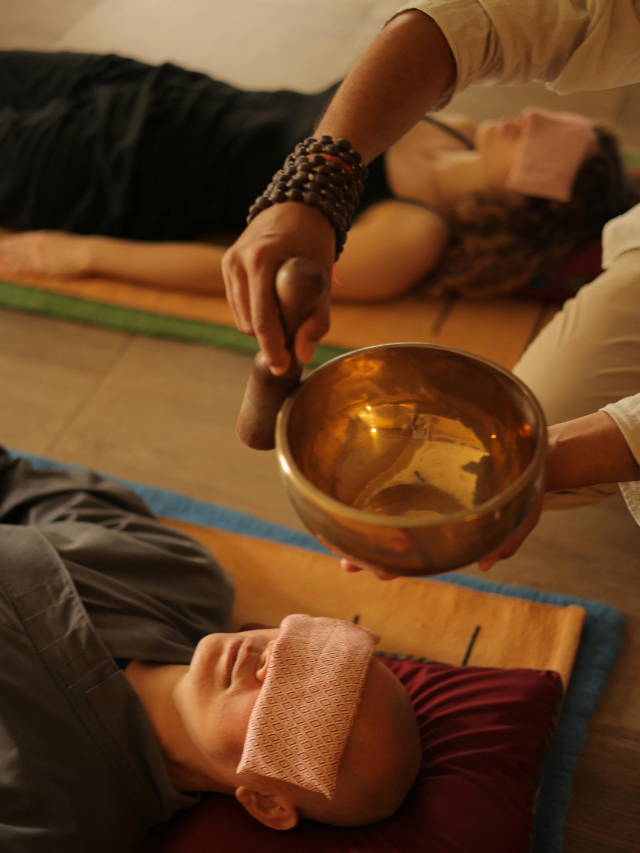
Ayurvedic massage and relaxation
Warm medicated-oil massage is used for muscle tension, stiffness, and poor sleep. See Ayurvedic Massage in Delhi and Relaxation Therapy in Delhi.
Naturopathy and physiotherapy
Naturopathy uses diet, water-based treatments, and lifestyle correction to support recovery. Physiotherapy adds movement-based rehabilitation after injury or illness. Both sit alongside Ayurveda at SPPC: Naturopathy Treatment in Delhi and Physiotherapy in Delhi.
Other supportive therapies
The centre also lists Acupuncture, Leech Therapy, Ozone Steam Sauna Bath, Chromo Therapy, Meditation Therapy, and Yoga Classes. The full list is on the Therapies page.
Health Concerns People Commonly Bring to Ayurvedic Care
Joint, knee, and back pain
Desk jobs and low activity make these complaints very common in Delhi. Ayurvedic plans usually combine oil therapies, medicines, diet changes, and gentle exercise. Related pages: Knee Pain Treatment, Back Pain Treatment, and the blogs Ayurvedic Treatment for Back Pain in Delhi and Ayurvedic Treatment for Arthritis in Delhi.
Diabetes and metabolic health
Ayurveda approaches blood sugar through food, routine, activity, and herbal support. It should run alongside, not in place of, your regular medical monitoring and prescribed medicines. See Diabetes Treatment in Delhi and the blog Ayurvedic Treatment for Diabetes in Delhi. For weight concerns, visit Weight Loss Treatment in Delhi.
Digestive problems
Acidity, bloating, and irregular bowels often trace back to meal timing and stress. The Digestive Care Center in Delhi page covers this area.
Stress, anxiety, and sleep
Mental strain is one of the most common reasons people seek holistic care. Explore Anxiety Treatment in Delhi NCR and the blog Stress Management Therapy in Delhi.
Skin, breathing, and heart concerns
Chronic conditions such as psoriasis, asthma, and heart disease need especially careful coordination with a conventional doctor. Holistic care can support lifestyle and recovery, but it should not replace emergency treatment or prescribed medication.
Food, Pharmacy, and Learning Resources
Treatment does not stop at the therapy room. Diet is a major part of Ayurvedic care, and SPPC offers Diet and Nutrition guidance and an in-house Pharmacy. If you want to understand the practice more deeply, the SPPC Shiksha section covers education and training. For a longer stay focused on recovery and rest, see Wellness Retreat in Delhi, Rejuvenation Therapy, and the Accommodations page.
Choosing the Right Ayurvedic Hospital in Delhi
- Verify qualifications. Ask for the doctors’ degrees and registration.
- Check accreditation. NABH status and government-scheme empanelment signal that standards are reviewed.
- Expect a clear plan. You should be told the diagnosis, the treatment duration, and the approximate cost.
- Avoid miracle claims. No ethical hospital promises an instant or guaranteed cure for a serious disease.
- Ask about medicines. Find out where preparations come from and how they are tested.
- Read patient experiences. Testimonials and the Gallery give a sense of facilities, though they are not a substitute for a consultation.
- Consider access. Location matters for repeated visits. SPPC is on Shanti Marg, near Manglam Red Light, West Vinod Nagar, New Delhi 110092.
A Safety Note
Ayurveda is best used as a complement to modern medicine. If you have diabetes, heart disease, high blood pressure, are pregnant, or take regular prescription drugs, tell every doctor involved. Some herbal products can interact with conventional medicines, and some procedures are unsuitable for certain conditions. Serious symptoms such as chest pain or breathlessness need emergency care first.
Final Thoughts
An Ayurvedic hospital is most useful when it treats you as an individual, explains what it is doing, and works openly with the rest of your healthcare. For Delhi residents dealing with stress, pain, and lifestyle disorders, that combination of therapy, diet, and routine change can be a practical path to steadier health.
Ready to talk to a doctor? You can book an appointment, call +91 828 744 5808, or message on WhatsApp.
Frequently Asked Questions
1. What does an Ayurvedic hospital in Delhi treat?
Ayurvedic hospitals commonly see people with long-term and lifestyle-related concerns, such as joint and back pain, digestive problems, stress and sleep issues, skin conditions, weight gain, and blood sugar imbalance. You can browse the full range on the Therapies page. For serious or emergency conditions, conventional medical care should come first, with Ayurveda used as a supportive option.
2. Is Panchakarma safe for everyone?
No. Panchakarma is a structured programme that should only be started after a physician checks your health history, strength, and current medicines. It may not suit people who are pregnant, very weak, or recovering from certain illnesses. Read more on the Panchakarma treatment page and the blog Panchakarma Treatment in Delhi.
3. Can I take Ayurvedic treatment along with my regular medicines?
Often yes, but you should always inform both your Ayurvedic physician and your regular doctor. Some herbal preparations can interact with prescription drugs, especially for diabetes, blood pressure, or blood thinning. Never stop prescribed medicines on your own. If you have diabetes, see Diabetes Treatment in Delhi and the blog Ayurvedic Treatment for Diabetes in Delhi.
4. How long does it take to see results?
It depends on the condition, how long you have had it, and how closely you follow the diet and lifestyle advice. Long-standing problems such as arthritis or chronic back pain usually need a course of treatment over weeks or months, not a single session. Be cautious of any centre that promises a quick or guaranteed cure. See the blogs on arthritis and back pain for what a typical approach looks like.
5. How do I book a consultation?
You can book through the Contact Us page, call +91 828 744 5808, or message on WhatsApp. At the first visit, the doctor will usually review your history, symptoms, and pulse, then suggest a personalised plan covering therapies, medicines, and diet. For longer stays, check the Accommodations page.
Categories
- Categories
- Blogs (124)
Latest Posts
- Ayurvedic Hospital in Delhi: Traditional Healing for Everyday Wellness
- Panchakarma Treatment in Delhi: A Complete Guide to Ayurvedic Detox and Rejuvenation
- Ayurvedic Treatment for Arthritis in Delhi: A Natural Healing Approach
- Ayurvedic Treatment for Diabetes in Delhi: Natural Healing Approach
- Stress Management Therapy In Delhi: Natural Healing With Panchakarm
- Ayurvedic Clinic in West Delhi for Holistic Healing