admin
24-11-2026
Ayurvedic Diabetes Treatment: Diabetes is now one of the most common long-term health conditions in India, and Delhi’s lifestyle adds to the risk: long sitting hours, late meals, refined food, little sleep, and constant stress. Many people newly diagnosed with high blood sugar want to know whether natural systems like Ayurveda can help.
The short answer is that Ayurveda can be a useful support, especially for diet, routine, weight, and stress. It is not a replacement for monitoring or for prescribed medicines. This guide explains how Ayurveda views diabetes, what an Ayurvedic programme usually includes, what research says, and how to use it safely.
How Ayurveda Understands Diabetes
In classical Ayurveda, the condition closest to diabetes is called Madhumeha. The word combines “madhu” (sweetness) and “meha” (excessive urination), a description that matches the symptoms modern medicine also associates with high blood sugar.
Ayurveda links it mainly to an imbalance of Kapha, with disturbed digestion and metabolism. The factors it blames will sound familiar:
- Heavy, sweet, oily, or excessive food
- Little physical activity and daytime sleeping
- Long-term stress
- Irregular meal timing
- Inherited tendency
Treatment therefore focuses on correcting the habits behind the imbalance instead of only lowering a number.
What an Ayurvedic Diabetes Programme Includes
1. Personalised assessment
The physician reviews your history, symptoms, weight, appetite, sleep, and stress, and uses pulse examination (Nadi Pariksha) as part of the Ayurvedic assessment. A good programme also asks for your lab reports, such as fasting sugar, HbA1c, kidney and lipid tests.
2. Diet planning
Diet is the foundation. Plans generally emphasise:
- Fibre-rich foods: vegetables, legumes, whole grains
- Millets and other slower-digesting grains instead of refined flour
- Bitter and astringent tastes, which Ayurveda favours for this condition
- Regular meal times and moderate portions
- Less sugar, fried food, sweetened drinks, and late-night eating
See the centre’s Diet and Nutrition service for how this is handled.

3. Herbal medicines
Ayurvedic practitioners commonly use herbs such as fenugreek (methi), bitter gourd (karela), guduchi (Tinospora cordifolia), isabgol (psyllium), black seed (Nigella sativa), and jamun. These are typically prescribed by a physician as powders, decoctions, or tablets. The in-house Pharmacy is where such preparations are dispensed at SPPC.
4. Yoga, pranayama, and activity
Regular movement helps the body use insulin better. Gentle yoga, walking, and breathing practices are standard recommendations. Explore Yoga Classes in Delhi and Meditation Therapy, which can also help with stress-related eating and poor sleep.
5. Therapies and detoxification
Some programmes include body therapies and supervised cleansing such as Panchakarma. This is not suitable for everyone, particularly people with poorly controlled sugar, weakness, or other complications, so a doctor must decide whether it is appropriate. Related options include Ayurvedic Massage and Naturopathy Treatment.
6. Weight and lifestyle management
Excess weight, especially around the waist, raises insulin resistance. Programmes often pair diabetes care with Weight Loss Treatment and Digestive Care.
For the centre’s own overview, see Diabetes Treatment in Delhi and the blog Ayurvedic Treatment for Diabetes in Delhi.
What Does the Research Say?
A large 2022 systematic review of Ayurvedic medicines for type 2 diabetes, published in Frontiers in Pharmacology, gives a realistic picture. It covered 199 randomised trials with 21,191 participants, testing 98 different Ayurvedic medicines. Its main findings were: frontiersin
- Fasting blood glucose fell by roughly 4 to 56 mg/dl across a range of Ayurvedic medicines. frontiersin
- HbA1c, a three-month average of blood sugar, improved with several individual herbs, including bael (Aegle marmelos). Other plants showing reductions in the pooled results included bitter gourd, fenugreek, Tinospora cordifolia, psyllium, and black seed. doaj
- Reported side effects were mostly none or mild, and mainly digestive. frontiersin
The same review is also clear about its limits. Many trials did not report their methods adequately, which lowered the overall quality rating. The authors called for better-designed randomised trials to strengthen the evidence. doajfrontiersin
In plain terms, the evidence is encouraging for several herbs, but it is not strong enough to say Ayurveda can replace standard diabetes treatment.
Using Ayurveda Safely with Diabetes
- Do not stop or reduce your medicines yourself. Any change should come from your own doctor after checking your readings.
- Tell every doctor everything you take. Herbs that lower blood sugar can add to the effect of diabetes tablets or insulin, which may cause sugar to drop too low (hypoglycaemia).
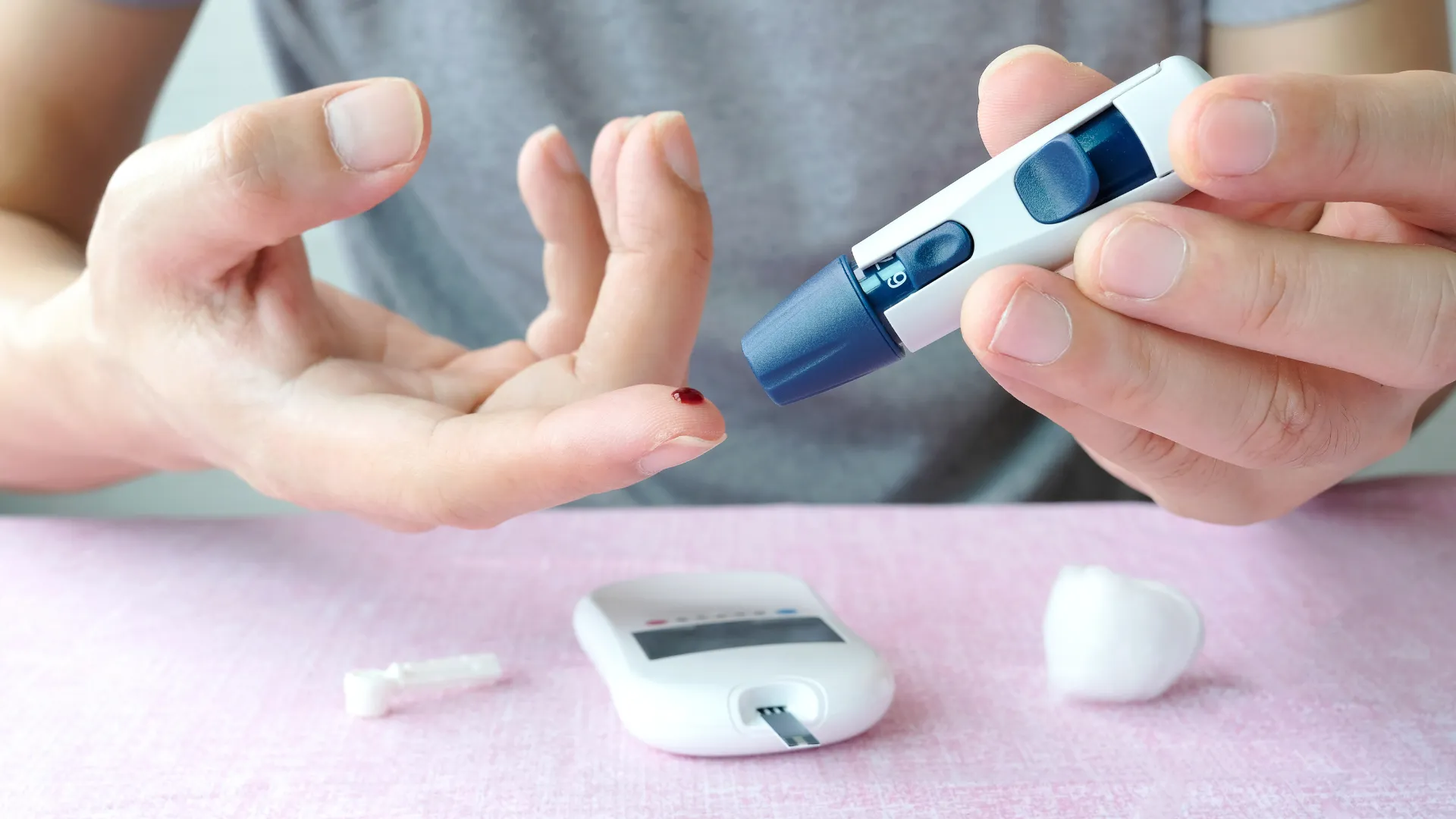
- Keep monitoring. Continue home glucose checks and scheduled HbA1c, kidney, eye, and foot examinations.
- Type 1 diabetes needs insulin. Ayurvedic care is only a supportive addition here, never a substitute.
- Be cautious in pregnancy and with kidney or liver disease. Many herbs and procedures need dose adjustment or should be avoided.
- Avoid miracle claims. Be wary of anyone promising to “cure” diabetes or telling you to quit allopathic medicines.
- Know the warning signs. Extreme thirst, confusion, vomiting, fainting, or very high or low readings need urgent medical care.
Because diabetes can affect the heart, nerves, joints, and skin, coordinated care matters. Related pages include Heart Disease Treatment, Physiotherapy, and Knee Pain Treatment.
Daily Habits That Support Blood Sugar Control
These suggestions fit both Ayurvedic and mainstream advice:
- Eat at regular times, with the largest meal earlier in the day and a lighter dinner.
- Walk for 10 to 15 minutes after meals where your doctor agrees.
- Choose whole foods over packaged and fried snacks.
- Sleep consistently. Poor sleep worsens insulin resistance.
- Manage stress with breathing, meditation, or yoga.
- Stay hydrated and limit sweetened drinks.
- Keep a log of your readings, meals, and symptoms to share at appointments.
If you want to understand your stress patterns, see the blog Stress Management Therapy in Delhi.
Frequently Asked Questions
1. Can Ayurveda cure diabetes?
There is no reliable evidence that any system, including Ayurveda, permanently cures diabetes. Ayurvedic care can support blood sugar management, weight, and lifestyle, but it should be viewed as part of a long-term plan with proper medical monitoring.
2. Can I stop my diabetes medicines if I start Ayurvedic treatment?
No. Never stop or change medicines without your doctor’s advice. If your readings improve over time, your doctor can decide whether to adjust your dose.
3. Which herbs are commonly used for blood sugar?
Fenugreek, bitter gourd, guduchi, psyllium (isabgol), black seed, and jamun are often mentioned. They should be taken under guidance, since doses and interactions matter.
4. How long does it take to see a difference?
Diet and lifestyle changes may show in readings within weeks, while meaningful HbA1c changes need about three months. Most studies of herbal medicines ran for at least eight weeks, so patience and regular testing are important.
5. How can I book a consultation?
Use the Contact Us page, call +91 828 744 5808, or message on WhatsApp. Bring recent reports (fasting sugar, post-meal sugar, HbA1c) and a list of your current medicines.
Final Thoughts
Ayurveda offers practical tools for living with diabetes: structured eating, regular routines, movement, stress control, and herbs used under guidance. Combined with regular testing and your doctor’s treatment, these can make blood sugar management easier to sustain. The best results usually come from treating the two systems as partners and keeping the conversation open.
Looking for personalised guidance? Book an appointment or call +91 828 744 5808.
Categories
- Categories
- Blogs (126)
Latest Posts
- Ayurvedic Diabetes Treatment: Understanding Natural Approaches to Blood Sugar Management
- Naturopathy Hospital in Delhi: A Natural Approach to Better Health and Wellness
- Ayurvedic Hospital in Delhi: Traditional Healing for Everyday Wellness
- Panchakarma Treatment in Delhi: A Complete Guide to Ayurvedic Detox and Rejuvenation
- Ayurvedic Treatment for Arthritis in Delhi: A Natural Healing Approach
- Ayurvedic Treatment for Diabetes in Delhi: Natural Healing Approach