
admin
25-11-2026
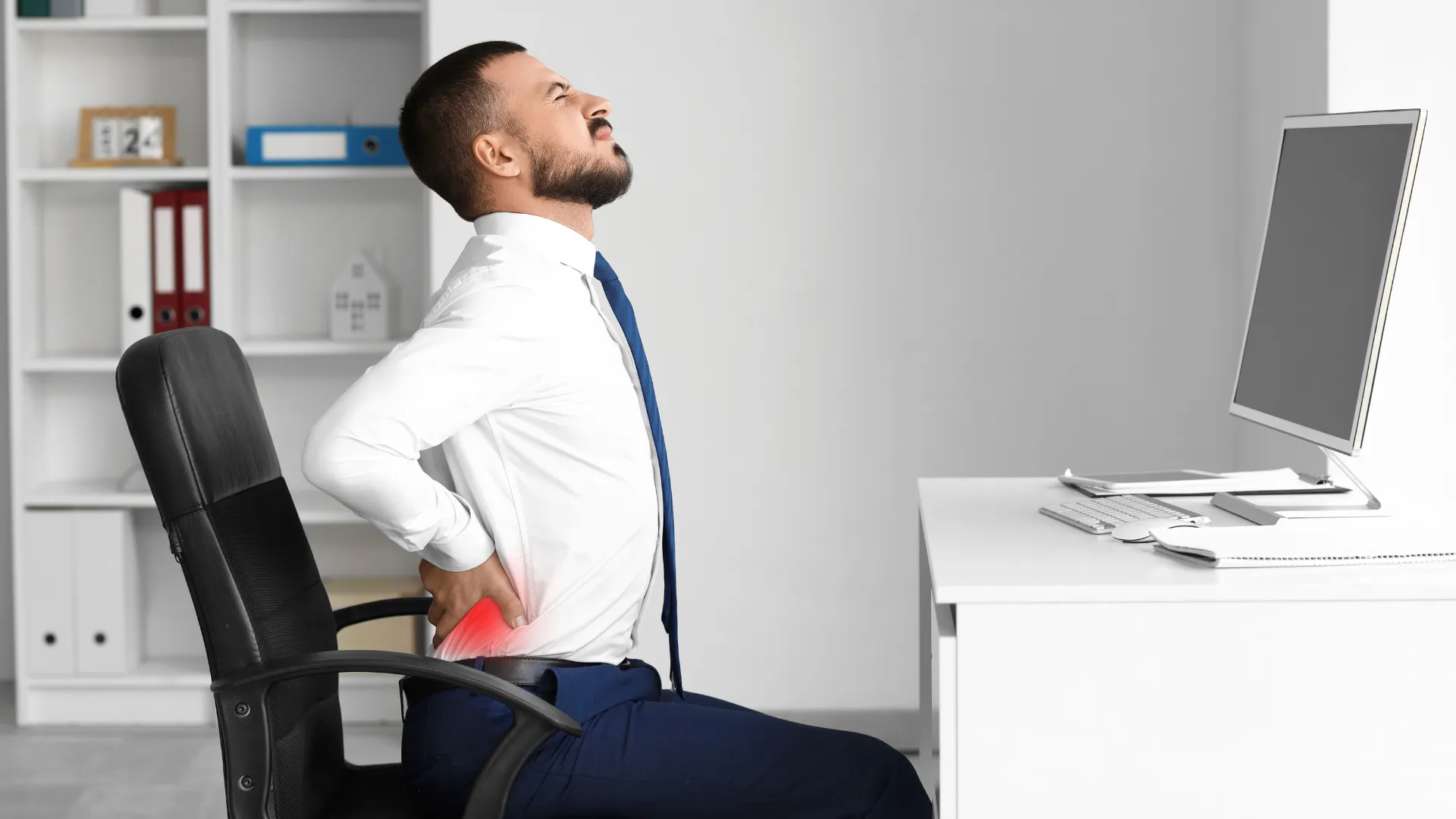
Back Pain Treatment in Delhi: Back pain is one of the most common reasons people look for help in Delhi. Hours at a desk, long rides in traffic, weak core muscles, poor sleep, and constant stress all take their toll. Painkillers can dull the ache, but many people want to understand what is driving it and how to stop it from returning.
Ayurveda and naturopathy approach back pain through movement, oil therapies, diet, posture, and stress. This guide explains how each approach works, what a typical programme includes, what research says, and when you should see a doctor first. It also draws on the services listed by SPPC Patanjali Wellness Centre, a hospital in West Vinod Nagar, East Delhi.
Common Causes of Back Pain in Delhi
Most back pain is “mechanical,” meaning it comes from muscles, ligaments, discs, or joints rather than a dangerous disease. Common contributors include:
- Sitting for long periods with poor posture
- Weak abdominal and back muscles
- Excess weight, especially around the waist
- Lifting or bending awkwardly
- Long two-wheeler or car commutes
- Stress, which tightens muscles and worsens how pain is felt
- Age-related changes in the spine, such as spondylosis or disc problems
How Ayurveda Views Back Pain
In Ayurveda, back pain is usually linked to a disturbance of Vata, the principle governing movement, nerves, and joints. Dryness, stiffness, cold exposure, irregular routines, and overexertion are thought to aggravate it. Conditions such as Katishula (low back pain), Gridhrasi (sciatica-type pain), and Greeva-related complaints (neck stiffness) are described in the classical texts.
Treatment aims to calm Vata, strengthen tissues, and improve mobility, using several tools together.
Oil therapies and massage
Warm medicated oil is applied to the back, often followed by steam, to soften stiff muscles and ease tension. Learn more on the Ayurvedic Massage in Delhi page and the Relaxation Therapy page.
Panchakarma
For selected patients, supervised purification programmes may be advised. The classical approach uses oil and steam preparation first, and some procedures are considered especially relevant for Vata disorders. A physician must decide if this is suitable for you. Read about it on the Panchakarma treatment page.
Herbal medicines
Practitioners commonly prescribe herbs such as ashwagandha, guggul, and shallaki (Boswellia) for joint and muscle comfort. Dosage and combinations should be decided by a qualified doctor. The centre’s Pharmacy is where these are dispensed at SPPC.
Diet and routine
Warm, freshly cooked, easy-to-digest food, regular meal times, and avoiding cold and heavy items are typical recommendations. See Diet and Nutrition.
How Naturopathy Approaches Back Pain
Naturopathy focuses on natural therapies and lifestyle correction. For back pain, this usually includes:
- Hot and cold applications: Heat can relax tight muscles, while cold may be used for fresh inflammation.
- Hydrotherapy and steam: Water-based treatments to ease muscle tension. SPPC lists an Ozone Steam Sauna Bath.
- Mud therapy and massage: Used for local comfort and relaxation.
- Yoga and breathing: Gentle stretching and core strengthening, with guidance. See Yoga Classes in Delhi.
- Diet correction: Anti-inflammatory, fibre-rich eating to support weight control.
- Stress reduction: Meditation and relaxation to reduce the muscle tension that feeds pain. See Meditation Therapy.
For an overview, visit the Naturopathy Treatment page.
Supportive Therapies Often Used Alongside
- Physiotherapy in Delhi for strengthening, posture correction, and rehabilitation
- Acupuncture for pain modulation
- Leech Therapy, which is used in some traditional programmes for localised pain and swelling and requires careful medical screening
- Chromo Therapy
The centre’s own pages on Back Pain Treatment in Delhi NCR, Knee Pain Treatment, and the blogs Ayurvedic Treatment for Back Pain in Delhi, How to Find Effective Back Pain Treatment in Delhi, and Ayurvedic Treatment for Arthritis in Delhi give more detail.
What Does Research Say?
Evidence for non-drug approaches to back pain is reasonably supportive, though it varies by therapy and by whether the pain is short-term or long-lasting.
- Acute and subacute back pain often settles by itself over time, and heat, massage, acupuncture, and spinal manipulation are reasonable first options to try. AAFP
- A review of more than 150 studies concluded that, for pain likely to resolve within 12 weeks, heat wraps, massage, acupuncture, or spinal manipulation are best tried first. harvard
- For chronic back pain, guideline-listed options include exercise, yoga, acupuncture, mindfulness-based stress reduction, tai chi, and progressive relaxation. aafp
- Acupuncture appears to reduce chronic back pain for up to a year, though the benefit was not seen at two years. aafp
- The evidence for some of these, such as massage, is of low quality, so benefits should not be oversold. aafp
In short, gentle, active, non-drug approaches are well supported as a starting point. Specific Ayurvedic herbs and oil therapies have less rigorous evidence behind them, so they are best used as part of a broader plan that includes movement and lifestyle change.
When You Should See a Doctor First
Most back pain is not dangerous, but some symptoms need prompt medical assessment before any alternative therapy. Warning signs include severe pain, numbness or weakness in the legs or feet, bladder or bowel problems, fever, pain after a fall or injury, and unexplained weight loss. Seek urgent care for any of these, and do not wait for a wellness programme to work. advancestudy
Also see a doctor if:
- Pain travels down the leg with tingling or weakness
- Pain is worse at night or at rest
- You have a history of cancer, osteoporosis, or long-term steroid use
- Pain has lasted more than a few weeks despite self-care
Imaging usually does not improve outcomes unless there are neurological deficits or red flags, so ask your doctor whether a scan is actually needed rather than assuming one will explain your pain. aafp
Daily Habits That Protect Your Back
- Move every 30 to 45 minutes if you sit for work, with a short walk or stretch.
- Set up your workstation so your feet are flat, knees are level with hips, and the screen is at eye level.
- Strengthen your core with guided exercise or yoga, not heavy lifting as a first step.
- Lift with your legs, keep the load close, and avoid twisting.
- Sleep on a medium-firm mattress in a comfortable position.
- Manage weight and stress, since both affect pain.
- Avoid prolonged bed rest; gentle activity generally helps recovery more.
How to Choose a Back Pain Treatment Centre
- Check that doctors are qualified and registered.
- Look for a clear diagnosis and plan, not a one-size-fits-all package.
- Be cautious of anyone promising an instant or permanent cure.
- Ask whether the centre coordinates with your orthopaedic doctor or physiotherapist.
- Confirm hygiene standards in therapy and steam rooms.
- Ask about duration and cost before starting.
You can meet the doctors on Our Expert Team and learn about the hospital on the About SPPC page.
Frequently Asked Questions
1. Can Ayurveda cure back pain?
Ayurveda can help relieve many cases of mechanical back pain and support recovery through therapies, diet, and movement, but outcomes depend on the cause. Pain from nerve compression, fractures, infection, or other serious conditions needs medical evaluation first. Avoid centres that promise a guaranteed cure.
2. How long does treatment take?
Short-term pain often improves within a few weeks, while chronic pain typically needs a longer programme combining therapies and daily exercise. Progress depends on the cause, your age, and how consistently you follow advice.
3. Is Panchakarma safe for back pain?
It can be appropriate for selected people but not for everyone. It may not suit people who are pregnant, very weak, or living with certain conditions. Always have a physician assess you first.
4. Can I combine Ayurvedic treatment with physiotherapy or my regular medicines?
Often yes, and it can work well, but tell all your doctors what you are taking. Herbal products can interact with painkillers, blood thinners, and diabetes or blood pressure medicines. Do not stop prescribed medicines on your own. See Physiotherapy in Delhi.
5. How can I book a consultation?
Use the Contact Us page, call +91 828 744 5808, or message on WhatsApp. Bring any recent X-rays, MRI reports, or prescriptions.
Final Thoughts
Good back pain care usually combines three things: a proper assessment, gentle active treatment, and changes to the daily habits that caused the problem. Ayurveda and naturopathy can contribute oil therapies, steam, yoga, diet, and stress care, especially when delivered by qualified doctors and combined with physiotherapy and medical advice where needed. The aim is not only to quiet the pain today but to build a stronger, more flexible back for the long term.
Ready to get relief? Book an appointment or call +91 828 744 5808.
Categories
- Categories
- Blogs (127)
Latest Posts
- Back Pain Treatment in Delhi: Ayurvedic and Naturopathy Approaches for Pain Relief
- Ayurvedic Diabetes Treatment: Understanding Natural Approaches to Blood Sugar Management
- Naturopathy Hospital in Delhi: A Natural Approach to Better Health and Wellness
- Ayurvedic Hospital in Delhi: Traditional Healing for Everyday Wellness
- Panchakarma Treatment in Delhi: A Complete Guide to Ayurvedic Detox and Rejuvenation
- Ayurvedic Treatment for Arthritis in Delhi: A Natural Healing Approach